
The First Year in Your New Home
Your first year in a new home is filled with discovery. As you settle in, you’ll begin to notice how your home responds to daily life and seasonal changes, and that’s completely normal.
New homes naturally go through a period of settling. Materials adjust, humidity levels shift, and small changes may become visible over time. You might notice minor drywall cracks, slight nail pops, or subtle adjustments in doors and trim. These are all part of your home adapting to its environment.

At the same time, you’ll be getting to know your home’s systems, how your heating and cooling respond to the seasons, how ventilation affects comfort, and how each space functions throughout the day.
This early period is about familiarity. With a bit of attention and care, your home will continue to perform as intended, providing a strong foundation for everyday comfort.
Over time, you’ll begin to recognize what’s part of normal settling and what may need a closer look. Most changes are minor and part of your home adjusting to its environment. When something stands out, it’s always okay to make note of it and revisit it as your home continues to settle.
This balanced awareness helps you stay proactive without feeling concerned, giving you confidence as you grow more familiar with your home.
Homeowner Responsibilities After Move-In
Owning a home comes with a sense of pride, and with it, a few simple responsibilities that help keep everything running smoothly.
These responsibilities aren’t about perfection. They’re about staying informed, proactive, and engaged in the care of your home.
As a homeowner, you’ll want to:
- Perform routine maintenance to keep systems and finishes in good condition
- Follow general care guidelines for materials and features in your home
- Keep records of any maintenance, service appointments, or updates
- Report concerns through the appropriate channels when needed
Understanding your role also helps you make the most of your warranty coverage. When maintenance and reporting are handled properly, everything works together more effectively.
To learn more about how your warranty fits into homeownership:

Essential Maintenance Tasks
Home maintenance is best approached as a series of small, manageable tasks rather than one large responsibility. Breaking it down into key areas helps you stay organized and confident.

Interior Maintenance
Inside your home, everyday living naturally brings light wear and tear. Keeping up with small tasks helps maintain both appearance and performance.
This includes:
- Caring for walls, flooring, and cabinetry with appropriate cleaning and touch-ups
- Checking doors and windows to ensure they open, close, and seal properly
- Managing indoor humidity and ventilation to support comfort and prevent moisture-related issues
Simple habits, like using the right cleaning products or monitoring humidity levels, can go a long way in preserving your home’s finishes.
Helpful Tip: Maintaining indoor humidity levels between 30–50% can help reduce seasonal movement in materials like wood and drywall, keeping finishes looking their best year-round.
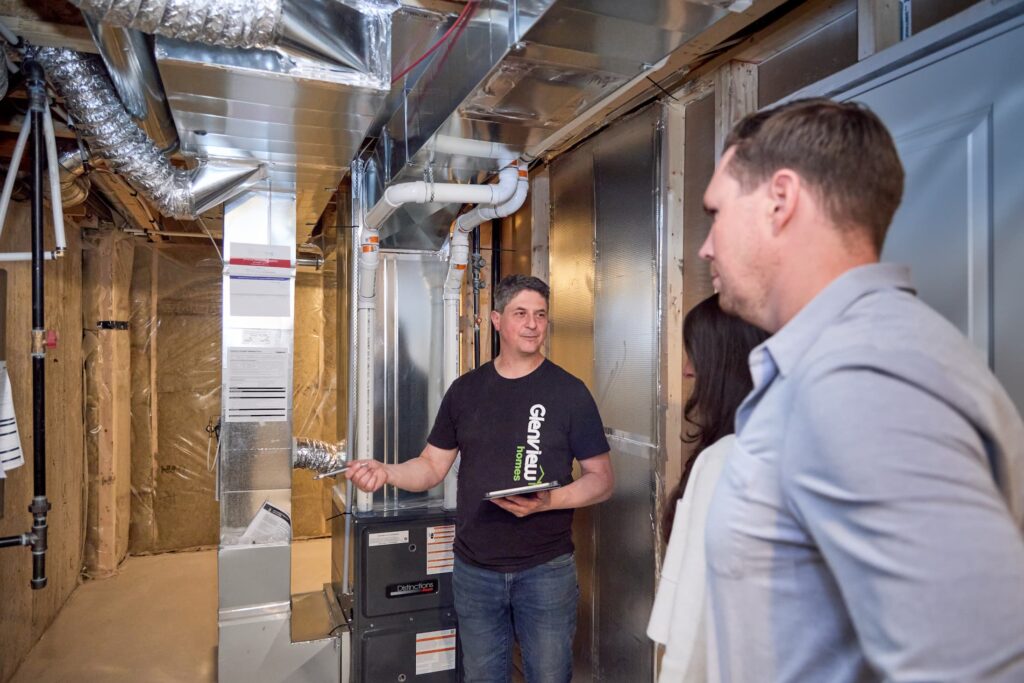
Mechanical & Systems Care
Behind the scenes, your home’s systems work quietly to keep everything comfortable and functional. Giving them regular attention helps ensure they continue to perform reliably.
Key areas to stay aware of include:
- HVAC systems: changing filters regularly and scheduling routine servicing
- Plumbing: watching for leaks, maintaining fixtures, and understanding shut-off locations
- Electrical systems: using outlets and circuits appropriately and addressing any irregularities
You don’t need to be an expert, just familiar enough to recognize when something needs attention and when to call in support.
Helpful Tip: Setting a reminder to check or replace your HVAC filter every few months is a simple way to support air quality and keep your system running efficiently.
Exterior Maintenance
Your home’s exterior is its first line of defence against the elements. Seasonal care helps protect it from weather-related wear and ensures long-term durability.
This includes:
- Monitoring the roof and exterior surfaces for visible changes
- Ensuring proper drainage and grading around your home
- Keeping pathways, driveways, and surrounding areas clear and well-maintained
Over time, these small efforts help preserve both the structure and the overall appearance of your home.
Helpful Tip: After heavy rain or snowmelt, take a quick walk around your home to ensure water is draining away properly. Small checks like this can help prevent larger issues over time.
Seasonal Maintenance Considerations
One of the simplest ways to stay on top of home maintenance is to think in seasons. Each time of year brings different needs, and small, proactive steps can make a big difference.
In the fall, you might prepare your home for colder temperatures. In the spring, you may focus on refreshing and checking areas affected by winter conditions.
By building simple seasonal routines, maintenance becomes more manageable and less time-consuming.
For helpful seasonal guidance:
These resources are designed to fit into real life: practical, approachable, and easy to follow.
Creating your own personal seasonal checklist, whether on your phone or on paper, can help you stay organized and ensure nothing gets missed throughout the year. Over time, these small routines become second nature.
How Maintenance Relates to Your Warranty
Your home’s warranty and your maintenance efforts go hand in hand. While the warranty covers certain items, proper care plays an important role in how your home performs over time.
Some concerns may depend on whether regular maintenance has been completed.
For example, managing humidity levels or maintaining exterior drainage can help prevent issues before they arise.
Rather than thinking of maintenance as a requirement, it’s helpful to see it as a way to protect both your home and your warranty coverage. Together, they create a system of support that keeps everything working as it should.
To better understand how coverage and responsibilities connect:
- Tarion Warranty Guide
- Warranty & Inspections Guide
When to Contact the Builder vs. a Contractor
As a new homeowner, it’s natural to wonder who to reach out to when something comes up. Knowing where to direct your questions helps save time and ensures you get the right support.
In general:
- Warranty-related concerns should be directed through the appropriate warranty process
- General maintenance or wear-and-tear items are typically handled by homeowners or trusted contractors
For example, a concern related to workmanship or a system covered under warranty would follow the structured warranty process. On the other hand, routine upkeep, such as servicing your HVAC system or repainting a wall, falls under regular home maintenance.
For example, if you notice a draft around a window within your warranty period, that may be something to raise through the warranty process. On the other hand, scheduling regular furnace servicing or routine upkeep would typically be handled directly by a qualified contractor.
Having this distinction in mind helps you take the right next step quickly and confidently.
If you’re ever unsure, starting with a quick review of your warranty guidelines can help point you in the right direction.
Common Maintenance Questions New Homeowners Have
It’s completely normal to have questions as you adjust to homeownership. Here are a few that many homeowners ask during their first year:
Long-Term Care for Your Home
Looking beyond your first year, home maintenance becomes part of a steady rhythm. With each season and each passing year, you’ll build a deeper understanding of how your home functions and what it needs.
Planning ahead helps:
- Anticipate routine upkeep
- Budget for future maintenance
- Keep your home looking and performing its best
Consistent care not only supports your daily comfort, but it also helps protect your home’s long-term value.
A well-maintained home continues to feel welcoming, functional, and ready for whatever life brings next.
A Home That Grows With You
Your home is more than a place; it’s where your life unfolds in everyday moments, from quiet mornings to shared evenings.
With regular care and a thoughtful approach to maintenance, your home will continue to support those moments for years to come. Small efforts today create lasting comfort tomorrow.
If you ever need guidance or support, our team is here to help you feel confident every step of the way.
Let’s begin this journey together.


