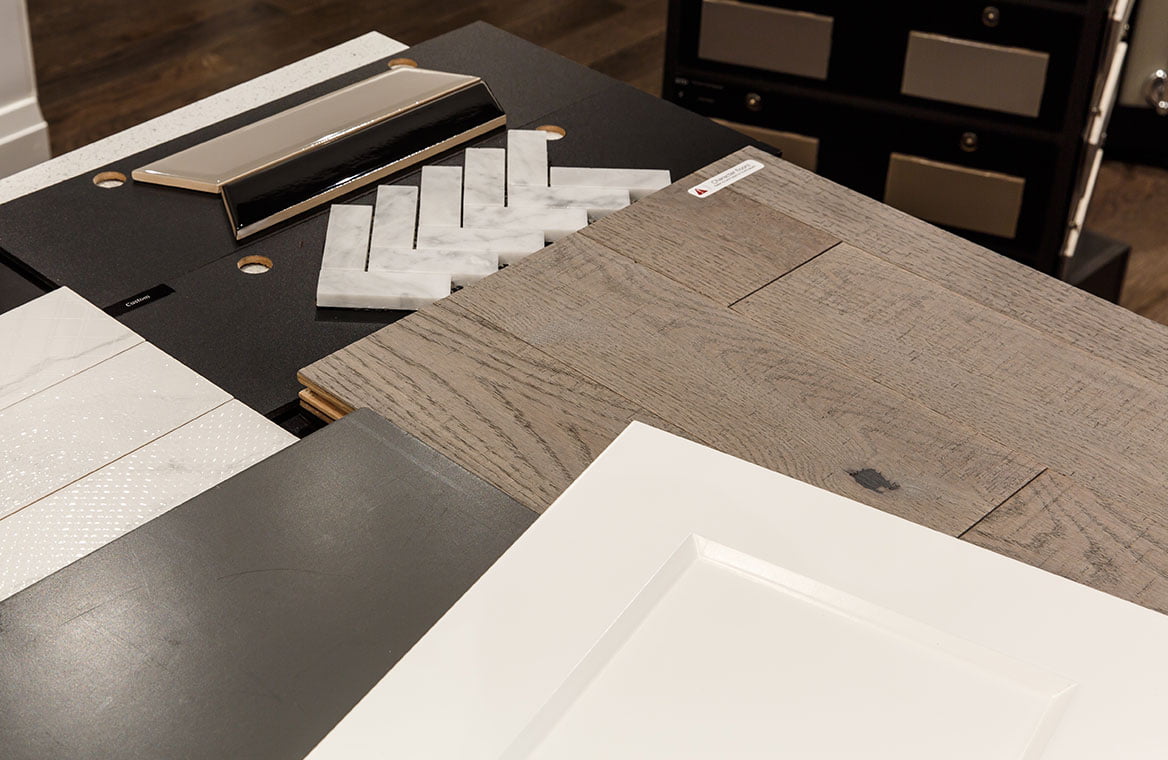
How the Design & Customization Process Works
The design process typically occurs after your purchase agreement is finalized, but early enough that your selections can be incorporated into construction without delay. You’ll be contacted by the Glenview design team to schedule your design appointment well in advance of major ordering deadlines.
At your design appointment, you’ll meet one-on-one with a design consultant at the Glenview Design Studio: a dedicated space where you can explore finishes, materials, fixtures, and features in person.
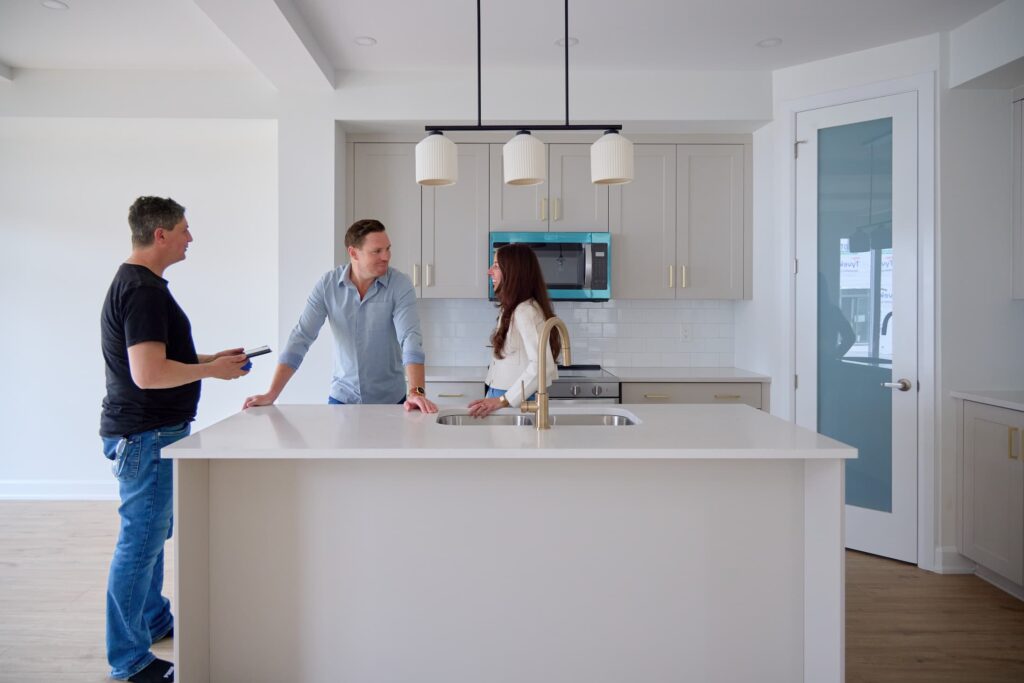
Visitors are also welcome to attend our weekly open house every Friday from 1 p.m. to 5 p.m., offering a chance to explore finishes and materials ahead of their design appointment.
Appointments usually last about 2-4 hours, though every home and every buyer is unique. Your consultant will walk you through your home’s options, explain how choices tie into construction timing, and help sequence decisions to meet scheduling needs without stress.
While there are many choices to make, the process is structured: you’ll work through selections in an order that aligns with building milestones, ensuring each choice lands well before it needs to be ordered or installed.
Preparing for Your Design Appointment
Design appointments are most meaningful when you walk in feeling ready, informed, and grounded in what matters most to you. Learn more about how to best prepare for your design appointment.
What to Do Before Your Appointment
- Review Your Floor Plan
Look closely at the floor plan you’ve chosen. Think about how each space will be used, where furniture might go, and how traffic flows from room to room.
- Consider How You Live
Are mornings rushed? Do you entertain often? Do you need space for kids, pets, or hobbies? Thinking through how you live daily will help you make selections that not only look great but also function beautifully.
- Identify Must-Haves vs Nice-to-Haves
Create a wish list of features and finishes. What’s essential? What would you love if the budget allows? Prioritizing this ahead of time keeps your appointment focused and efficient.
- Set a Realistic Budget Range
Before you focus on colours or textures, consider your budget range for customizations. Talking with your mortgage specialist or financial advisor can help ensure your decisions align with what you’re comfortable spending.
Inspiration Without Overwhelm
Gathering inspiration can be one of the most fun parts of the process — as long as it doesn’t become overwhelming.
- Explore Trusted Sources
Use Pinterest boards, Houzz galleries, Instagram collections, or even visits to show homes to gather images of spaces you love. Save photos of kitchens, bathrooms, lighting, and finishes you’re drawn to.
- Stay Focused on a Cohesive Look
Instead of collecting everything that catches your eye, look for themes — colour palettes, materials, and styles that feel like you. This keeps selections cohesive and intentional.
- Avoid Decision Fatigue
Too many ideas at once can be paralyzing. Narrow your inspiration to a handful of favourites to help you communicate your style clearly with your consultant.
What You’ll Be Choosing
Here’s a snapshot of the design decisions you’ll explore with your consultant. Each section includes short explanations to help demystify the scope of your choices.
Flooring & Finishes
- Flooring Types: Hardwood, tile, carpet, laminate and wood core composite are all possibilities. Think about durability, ease of care, and how each floor type functions in high-traffic areas.
- Tile and Surface Selections: This includes backsplash, bathroom tile, and accent features. Consider how colours and textures will flow through your home.
- Durability Considerations: Certain finishes stand up better to wear and tear. Your consultant can help balance look and performance.
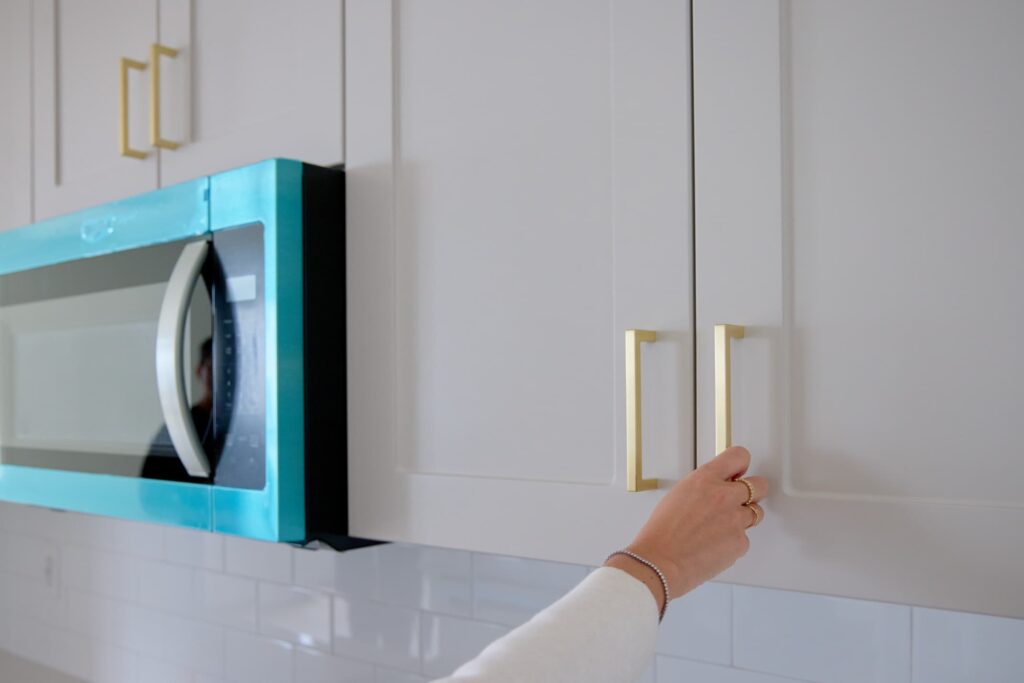
Kitchen & Cabinetry
- Cabinet Styles and Finishes: Choose shapes, materials, and colours that set the tone for your kitchen.
- Countertops: Explore quartz options that match your aesthetic.
- Hardware: Handles, knobs, and pulls tie the look together and elevate your cabinetry.
Bathrooms & Plumbing Fixtures
- Vanities: Style and storage matter here — aim for a balance of form and function.
- Tubs, Showers and Fixtures: Decide on shapes, finishes, and features that feel welcoming and practical.
Lighting & Electrical
- Lighting Packages: Lighting affects how every room feels, from bright task lighting to soft ambient glow.
- Placement Considerations: Think about where you want light sources and electrical outlets for everyday convenience.
- Function vs. Ambience: Some lights need to be practical, while others, artistic — your consultant can help find that balance.

Staircases, Doors & Trim
- Interior Details: Mouldings, stair finishes, and door styles might seem small, but they significantly shape the look and feel of your home.
Included Features vs. Upgrades
Understanding what comes standard — and what is considered an upgrade — helps you make informed decisions.
What “Included” Means
Included options are included in your home base price. Glenview strives to include premium standard features that others may not. These are the thoughtful choices that support style and functionality.
Why Some Items are Upgrades
Certain finishes, materials, or premium products may be optional, allowing you to customize further if you choose.
Value and Preference
Consider how upgrades align with your lifestyle and long-term goals. Some may add significant value; others may be purely aesthetic.
Long-Term Considerations
Think beyond today—how will finishes age? How easy will they be to maintain? What might appeal to future buyers? These questions help you prioritize wisely.
Common Design Mistakes to Avoid
Glenview consultants are here to help you avoid choices that may feel exciting now but don’t serve you long term.
- Choosing Trends Over Timeless Finishes: Trends can be fun, but classic finishes often stand the test of time beautifully.
- Over-Customizing for Short-Term Tastes: Highly personal choices can sometimes limit appeal. Balance personal expression with broader usability.
- Ignoring Functionality: Be mindful of storage needs, lighting placement, and room flow — these practical details matter every day.
- Underestimating How Finishes Work Together: Colour, texture, and material combinations can make or break a look. Consultants are trained to help coordinate selections that harmonize.
What Can Be Changed Later, and What Can’t
Design decisions fall into two broad buckets: those that are easy to change later, and those that are less so.
| Easier to Change Over Time | Difficult or Costly to Change Later |
| Paint colours | Room layouts |
| Cabinet hardware | Window sizes |
| Staircase design and railings | |
| Custom cabinetry layouts | |
| Built-in shelving or millwork | |
| Plumbing locations and major electrical layouts |
Helpful Tip: Structural and built-in elements are best chosen carefully during your design appointment, while cosmetic details can be refreshed as your style evolves — allowing you to balance confidence now with flexibility later.
How Glenview Supports You Through the Design Process
At Glenview, you’re not navigating this process alone.
Design Consultants Guide Every Step
From your first meeting to final selections, experienced consultants offer insights, recommendations, and reassurance.
Recommendations Based on Experience
Your consultant draws on years of design knowledge to help you make choices that look beautiful and function well.
Clear Documentation of Selections
Every decision is captured clearly, so you can feel confident that each item is accounted for.
Support Throughout the Process
Even after selections are complete, Glenview remains a trusted partner as construction progresses and questions arise.
Design Decisions and the Construction Timeline
Your design choices tie directly into construction scheduling.
- Why Deadlines Matter: Selections must be finalized before materials and fixtures are ordered. Timely decisions help avoid delays.
- How Selections Impact Scheduling: Clear choices allow construction teams to order materials, verify deliveries, and schedule trades effectively.
- Why Timely Decisions Help Keep Things Moving: Meeting deadlines translates to a smoother build and fewer surprises. That keeps you on track toward move-in day.
What Comes Next After Design Selections
Once your design selections are complete, your home moves from concept to creation. There are also several guided opportunities (like the pre-drywall walk-through) to see progress and understand what’s happening as your home takes shape.
Helpful Glenview Resources
- Building & Construction Process Guide
- Warranty & Inspections Guide


